

Skip to content

Lessons Habitat

Lesson Plans & Teaching Resources for Educators

  • Home
  • Teaching Tips and Guides
  • Primary School Lesson Plans
  • Toggle search form
  • History Primary 4 Lesson Notes – Colonial Administration in Nigeria
    History Primary 4 Lesson Notes – Colonial Administration in Nigeria Primary 5 Scheme of Work
  • Social Studies Quiz: Illness, Drug Abuse & Malaria for Kids
    Social Studies Quiz: Illness, Drug Abuse & Malaria for Kids Primary School Lesson Plans
  • The Bricklayer – Vocational Aptitude Primary 1, Second Term, Week 7
    The Bricklayer – Vocational Aptitude Primary 1, Second Term, Week 7 Primary School Lesson Plans
  • From Farm to Plate: Teaching Kids About Agricultural Produce in Primary 1
    From Farm to Plate: Teaching Kids About Agricultural Produce in Primary 1 Primary School Lesson Plans
  • Easy Guide to Rearing Chickens, Rabbits & Snails for Beginners
    Easy Guide to Rearing Chickens, Rabbits & Snails for Beginners Primary School Lesson Plans
  • What is a Computer? – Primary 1 Information Technology Lesson
    What is a Computer? – Primary 1 Information Technology Lesson Primary 1 Scheme of Work
  • Systems of Rearing Farm Animals: Intensive, Extensive & Semi-Intensive
    Systems of Rearing Farm Animals: Intensive, Extensive & Semi-Intensive Primary School Lesson Plans
  • Harvesting Activities for Primary 5 Pupils | Tools, Steps & Examples
    Harvesting Activities for Primary 5 Pupils | Tools, Steps & Examples Agricultural Science
Primary 1 Second Mid-Term Assessment | Basic Science and Technology

Primary 1 Second Mid-Term Assessment | Basic Science and Technology

Posted on 20/11/2025 By LessonsHabitat

Primary 1 Mid-Term Assessment on Water, Air & Light

• Water
• States of Matter (Solid, Liquid, Gas)
• Air
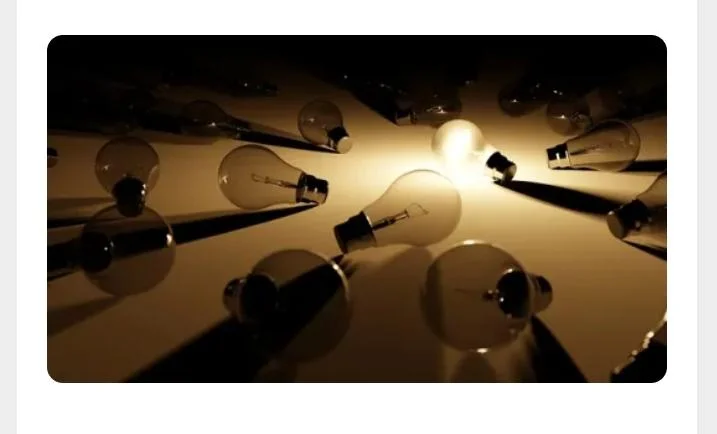
• Light Energy
• Sources & Uses of Light
• Importance of Water & Air


Table of Contents

Toggle
  • BASIC SCIENCE AND TECHNOLOGY
      • PRIMARY 1 – SECOND TERM – WEEK 7
    • MID-TERM ASSESSMENT & BREAK
  • PART A: OBJECTIVE QUESTIONS (20 Questions)
  • PART B: THEORY QUESTIONS (20 Questions – Short Answers)
  • PART C: TRUE OR FALSE (20 Questions)
  • PART D: FILL-IN-THE-GAPS (20 Questions – No Options)
      • Related posts:

BASIC SCIENCE AND TECHNOLOGY

PRIMARY 1 – SECOND TERM – WEEK 7

MID-TERM ASSESSMENT & BREAK


PART A: OBJECTIVE QUESTIONS (20 Questions)

Choose the correct answer from a, b, c, or d.

  1. Water is a _____
    a) solid b) gas c) liquid d) stone
  2. Air is a _____
    a) gas b) stone c) table d) chalk
  3. Oxygen is for animals while carbon dioxide is for _____
    a) plant b) man c) goat d) bird
  4. A material that has a fixed shape is a ____
    a) gas b) liquid c) solid d) air
  5. A material that flows easily is a ____
    a) solid b) gas c) liquid d) book
  6. Air has no ______
    a) colour b) smell c) shape d) all of the above
  7. An inflated ball contains ____
    a) water b) oil c) air d) sand
  8. Which of these is not a source of light?
    a) stars b) bulb c) torchlight d) pen
  9. The biggest natural source of light is the ____
    a) moon b) sun c) candle d) bulb
  10. A burning candle gives us ____
    a) food b) water c) light d) air
  11. We use light to ____
    a) see objects b) cook rice c) sweep floor d) wash plates
  12. Plants use sunlight to ____
    a) grow b) sleep c) play d) jump
  13. Liquids are kept in ______
    a) bottles b) bags c) mats d) books
  14. Solids can be touched because they have ____
    a) no shape b) fixed shape c) no weight d) no mass
  15. Fish live in ____
    a) water b) dust c) smoke d) sand
  16. Air is found ____
    a) underground b) everywhere c) inside stones d) in books
  17. We need water to ____
    a) write b) drink c) dance d) jump
  18. A gas that helps fire to burn is ____
    a) steam b) oxygen c) mist d) cloud
  19. Light energy helps us to ____
    a) sleep b) see c) hide d) run
  20. The moon gives ____
    a) natural light at night b) food c) gas d) water

PART B: THEORY QUESTIONS (20 Questions – Short Answers)

Answer all questions.

  1. What is water?
  2. Give two uses of water.
  3. Mention two sources of water.
  4. What is a solid?
  5. Give two examples of solids.
  6. What is a liquid?
  7. Give two examples of liquids.
  8. What is a gas?
  9. Name two gases.
  10. Mention one property of air.
  11. What is light energy?
  12. Mention two natural sources of light.
  13. Mention two artificial sources of light.
  14. What helps plants to grow?
  15. What do we use light for?
  16. What do animals breathe in?
  17. What do plants give out during photosynthesis?
  18. Mention one importance of air.
  19. Why do we need light to see?
  20. Name one thing that contains air.

PART C: TRUE OR FALSE (20 Questions)

Write True or False.

  1. The sun is a source of light.
  2. Air has colour.
  3. Water is a liquid.
  4. Solids flow like water.
  5. A torchlight is an artificial source of light.
  6. The moon shines by itself.
  7. We breathe in oxygen.
  8. Light helps us to see.
  9. Air is everywhere.
  10. Water has no shape.
  11. Fire gives light.
  12. Gas has a fixed shape.
  13. A cup is a solid.
  14. Air can fill a balloon.
  15. Plants use sunlight to make food.
  16. Stones are liquids.
  17. Candles can produce light.
  18. Water can change to ice.
  19. Light helps plants grow.
  20. Animals need air to live.

PART D: FILL-IN-THE-GAPS (20 Questions – No Options)

  1. The sun is a source of ______.
  2. Water is a ______.
  3. Air is a type of ______.
  4. A stone is a ______.
  5. Plants need ______ to grow.
  6. We drink ______ every day.
  7. Light helps us to ______.
  8. Oxygen is needed by ______.
  9. The moon gives ______ at night.
  10. Liquids take the shape of their ______.
  11. A candle gives ______ and heat.
  12. Fire flies produce ______ at night.
  13. A balloon is filled with ______.
  14. Smoke is a type of ______.
  15. Ice is a ______ form of water.
  16. Clouds are made of tiny drops of ______.
  17. A table is a ______.
  18. Gas has no fixed ______.
  19. We store water in a ______.
  20. Light energy comes from a ______ bulb.
 

Share

Related posts:

  1. Importance of Water for Kids – Primary 1 BST Lesson Plan
  2. Existence of Air – Meaning, Creation & Examples for Primary 1
  3. Movement of Air for Primary 1 | Basic Science Lesson Plan
  4. Things Found in the Soil | Primary 1 Basic Science
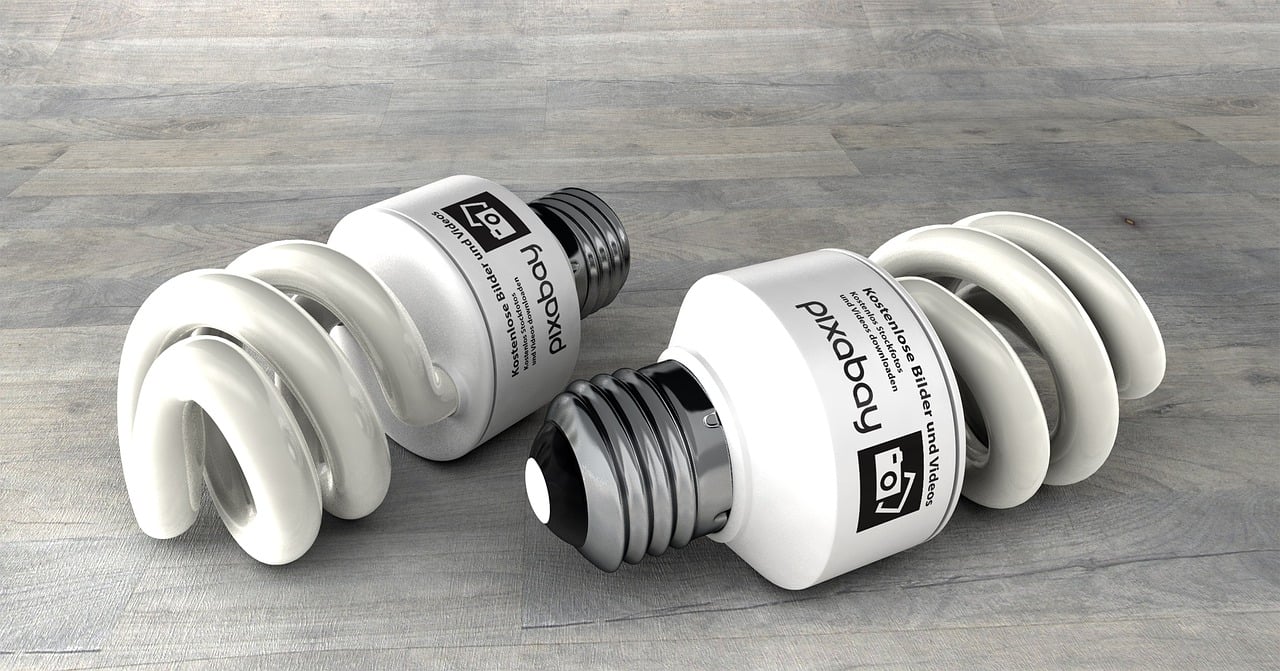
  5. Light Energy for Primary 1 – Sources and Importance
Primary 1 Scheme of Work Tags:Primary 1 Basic Science

Post navigation

Previous Post: Light Energy for Primary 1 – Sources and Importance
Next Post: Colour Identification Primary 1 | Basic Science Week 8

Related Posts

  • Colour Identification Primary 1 | Basic Science Week 8
    Colour Identification Primary 1 | Basic Science Week 8 Primary 1 Scheme of Work
  • Primary 1 Second Term English Studies Lesson Notes | Singular and Plural Objects
    Primary 1 Second Term English Studies Lesson Notes | Singular and Plural Objects Primary 1 Scheme of Work
  • Things Found in the Soil | Primary 1 Basic Science
    Things Found in the Soil | Primary 1 Basic Science Primary 1 Scheme of Work
  • Colour Identification & Traffic Light Signs for Primary 1 Basic Science
    Colour Identification & Traffic Light Signs for Primary 1 Basic Science Primary 1 Scheme of Work
  • Introduction to Addition of Numbers | Primary 1 Second Term Maths Lesson Note
    Introduction to Addition of Numbers | Primary 1 Second Term Maths Lesson Note Primary 1 Scheme of Work
  • Phonics Practice: Using His and Her – Synonyms, Antonyms & Homophones | Lessonshabitat
    Phonics Practice: Using His and Her – Synonyms, Antonyms & Homophones | Lessonshabitat Primary 1 Scheme of Work

Top Posts

  • First Term Exam Vocational Aptitude Primary 1
  • Addition of Numbers – Primary 1 Second Term Lesson Note
  • Primary 6 Basic Science First Term Examination Questions
  • Systems of Rearing Farm Animals: Intensive, Extensive & Semi-Intensive
  • Common Pests & Parasites of Farm Animals – Primary 5 Lesson

Recent Posts

  • Hat-Making Lesson Plan for Primary 5 | Meaning, Types & Materials
  • Reasons for Taking Substances Into the Body | Primary 1 Social Studies
  • Food Revision for Primary 1: Understanding What Food Is
  • Basic Science Primary 1 Exam Questions | Second Term Test
  • Revision Basic Science Primary 1 Second Term Lesson Notes
  • About Us
  • Privacy Policy
  • Contact Us
  • Disclaimer
  • Terms and Conditions
  • FAQs
  • Occupations in Our Community – The Carpenter Vocational Aptitude Primary 1
    Occupations in Our Community – The Carpenter Vocational Aptitude Primary 1 Primary School Lesson Plans
  • Control of Weeds Agricultural Science Primary 5
    Control of Weeds Agricultural Science Primary 5 Primary School Lesson Plans
  • Filling the Gap from 1 to 70 | Primary 1 Second Term Maths Lesson Note
    Filling the Gap from 1 to 70 | Primary 1 Second Term Maths Lesson Note Primary 1 Scheme of Work
  • Importance of Farming Vocational Aptitude Primary 1 Third Term
    Importance of Farming Vocational Aptitude Primary 1 Third Term Primary School Lesson Plans
  • Post-Planting Activities for Primary 5: Irrigation, Mulching, Thinning, Supplying & More
    Post-Planting Activities for Primary 5: Irrigation, Mulching, Thinning, Supplying & More Agricultural Science
  • Primary 1 Vocational Aptitude Third Term Exam Questions | Weeks 2–11 Summary
    Primary 1 Vocational Aptitude Third Term Exam Questions | Weeks 2–11 Summary Primary School Lesson Plans
  • Review of Second Term Scheme of Work Agricultural Science Primary 5
    Review of Second Term Scheme of Work Agricultural Science Primary 5 Primary School Lesson Plans
  • JSS1 Physical Health Education Quiz Primary School Lesson Plans

Copyright © 2025 Lessons Habitat.

Powered by PressBook News WordPress theme

This website uses cookies to improve your experience. We'll assume you're ok with this, but you can opt-out if you wish. Read More

Decline Cookie Settings
Accept
Powered by WPLP Compliance Platform
Cookies are small text files that can be used by websites to make a user's experience more efficient. The law states that we can store cookies on your device if they are strictly necessary for the operation of this site. For all other types of cookies we need your permission. This site uses different types of cookies. Some cookies are placed by third party services that appear on our pages.
  • Necessary
    Always Active
    Necessary cookies help make a website usable by enabling basic functions like page navigation and access to secure areas of the website. The website cannot function properly without these cookies.

  • Marketing
    Marketing cookies are used to track visitors across websites. The intention is to display ads that are relevant and engaging for the individual user and thereby more valuable for publishers and third party advertisers.

  • Analytics
    Analytics cookies help website owners to understand how visitors interact with websites by collecting and reporting information anonymously.

  • Preferences
    Preference cookies enable a website to remember information that changes the way the website behaves or looks, like your preferred language or the region that you are in.

  • Unclassified
    Unclassified cookies are cookies that we are in the process of classifying, together with the providers of individual cookies.

Powered by WPLP Compliance Platform
Cookie Settings