

Skip to content

Lessons Habitat

Lesson Plans & Teaching Resources for Educators

  • About Us
  • Privacy Policy
  • Contact Us
  • Disclaimer
  • Terms and Conditions
  • FAQs
  • Toggle search form
  • Teacher
    Primary 6 Basic Science First Term Examination Questions Primary School Lesson Plans
  • Occupations in Our Community – The Carpenter Vocational Aptitude Primary 1
    Occupations in Our Community – The Carpenter Vocational Aptitude Primary 1 Primary School Lesson Plans
  • Planting Activities for Primary 5 Pupils: Tools, Spacing, and School Farm
    Planting Activities for Primary 5 Pupils: Tools, Spacing, and School Farm Agricultural Science
  • Soil Types and Importance – Primary 1 Basic Science Lesson
    Soil Types and Importance – Primary 1 Basic Science Lesson Primary 1 Scheme of Work
  • Animals and their sounds
    Animals and their sounds Agricultural Science
  • blackboard, learn, language, language school, chalk, text, chalkboard, education, school, student, word, communication, english, elementary, course, learning, studying, classroom, gray school, gray education, gray learning, gray study, gray classroom, gray community, gray communication, gray studying, gray language, gray blackboard, language, language, language, language, language
    Primary 4 English Grammar Revision – Clear and Confident Learning Primary School Lesson Plans
  • Third Term Resumption Checklist for School Leaders: 5 Critical Activations for a Successful Term
    Third Term Resumption Checklist for School Leaders: 5 Critical Activations for a Successful Term Teaching Tips and Guides
  • Conjunctions in English Grammar JSS 3 Lesson Note Primary School Lesson Plans
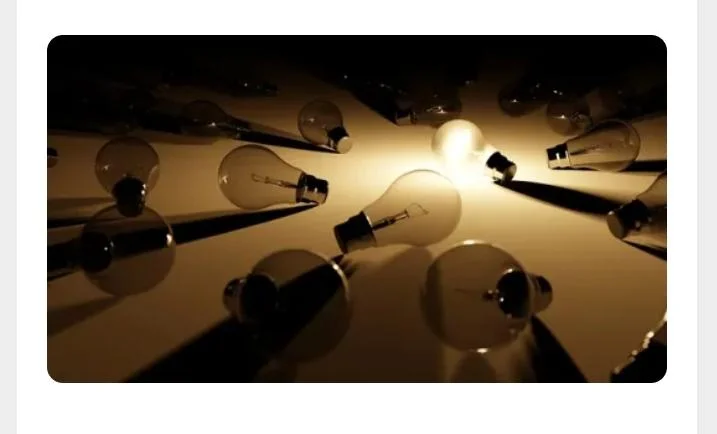
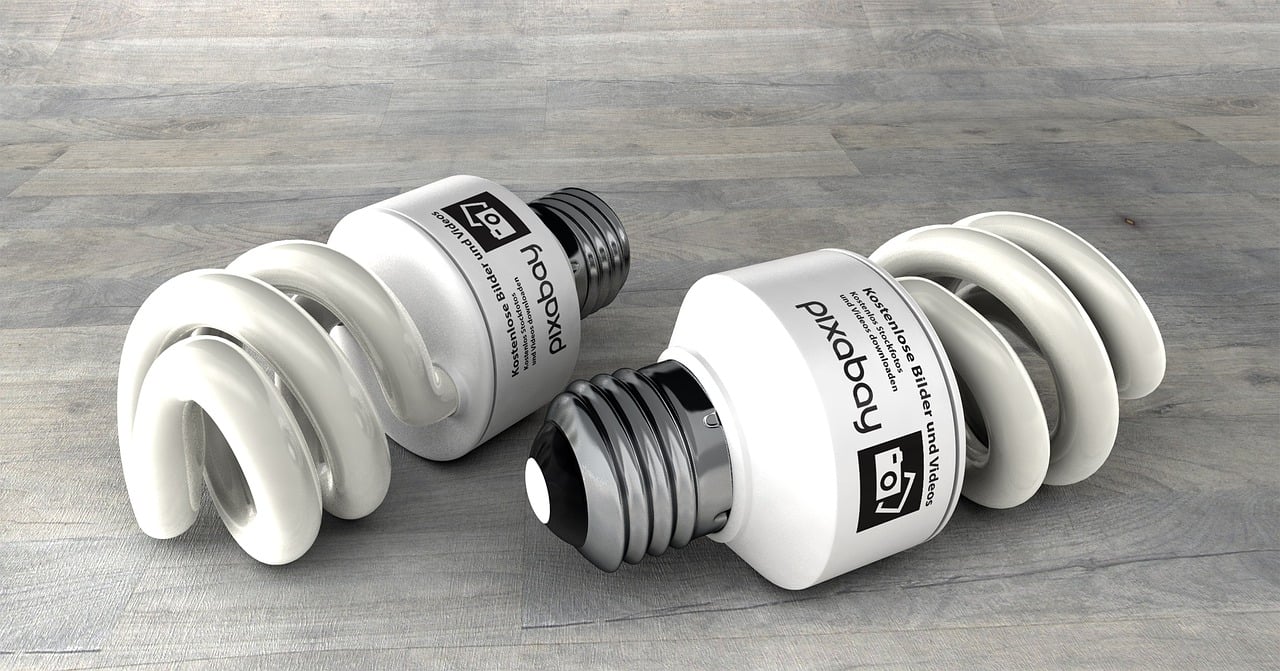
energy-saving lamp, energy saving, bulbs, pear, version, thread, lightbulb, environmentally friendly, lighting, lamp, energy, light, enlightenment, fragile, glowed, 3d, material, structure, rendering, energy saving, energy saving, energy saving, energy saving, energy saving, version, lamp, energy

Light Energy for Primary 1 – Sources and Importance

Posted on 20/11/202523/11/2025 By LessonsHabitat

Light Energy for Primary 1: Sources and Importance

Table of Contents

Toggle
  • Light Energy – Primary 1 BST – Second Term Lesson Note (Week 6)
    • Subject: Basic Science & Technology
    • Class: Primary 1
    • Term: Second Term
    • Week: 6
    • Age: 5–6 years
    • Topic: Light Energy
    • Sub-topic: Sources and Importance of Light Energy
    • Duration: 40 minutes
  • Behavioural Objectives
  • Keywords and Meanings (10)
  • Set Induction (Attention-Grabbing Story)
  • Entry Behaviour
  • Learning Resources and Materials
  • Building Background / Connection to Prior Knowledge
  • Embedded Core Skills
  • Reference Books
  • Instructional Materials
  • CONTENT – Child-friendly and Structured
  • A. Meaning of Light Energy
  • B. Sources of Light Energy (Meaning + 5 Examples Each)
    • 1. Natural Sources of Light
    • 2. Artificial Sources of Light
  • C. Importance / Uses of Light Energy (10 Examples)
  • PRESENTATION STRUCTURE
      • Step 1 – Revision of the Previous Lesson
      • Step 2 – Introduce the New Topic
      • Step 3 – Encourage Pupils’ Contribution
  • Teacher’s Activities
  • Learners’ Activities
  • CLASS ACTIVITY DISCUSSION (10 FAQs with Answers)
  • EVALUATION QUESTIONS
    • A. Fill-in-the-Blank (with Options)
    • B. Short Answer Questions (10)
  • Assessment (10 Short Questions)
  • Conclusion
  • WEEKLY BREAKDOWN (MONDAY–FRIDAY)
      • Topic for the Week: Light Energy
      • Class: Primary 1
      • Second Term – Week 6
  • ✨ MONDAY – Meaning of Light Energy + Simple Demonstration
    • A. In-depth Meaning of Light Energy
      • Explain with Examples (5 Examples):
      • Activities for Monday
  • ✨ TUESDAY – Natural Sources of Light Energy
    • A. Meaning
      • Examples (Explain Each – 5 Examples):
      • Simple Explanation for Children:
      • Activities for Tuesday
  • ✨ WEDNESDAY – Artificial (Man-Made) Sources of Light Energy
    • A. Meaning
      • Examples (Explain Each – 5 Examples):
      • Simple Explanation for Children:
      • Activities for Wednesday
  • ✨ THURSDAY – Importance of Light Energy
    • A. In-depth Meaning of Importance
    • Uses of Light Energy (Explain Each – 5 Expanded + 5 More):
      • Main 5 Expanded Uses
      • Additional 5 Uses
      • Activities for Thursday
  • ✨ FRIDAY – Review, Reinforcement, and Example Expansion
    • A. Deep Review of the Week’s Work
      • What Light Energy Is – With 5 More Examples
      • Natural Sources – 5 Extra Examples
      • Artificial Sources – 5 Extra Examples
      • Importance of Light – 5 Additional Examples
  • FRIDAY CLASS ACTIVITIES
      • Related posts:

Light

Light

Light, visible light, or visible radiation is electromagnetic radiation that can be perceived by the human eye. Visible light spans the visible spectrum

Light Energy – Primary 1 BST – Second Term Lesson Note (Week 6)

(Student-centred, Lagos-State aligned, simple, warm, and real-life)


Subject: Basic Science & Technology

Class: Primary 1

Term: Second Term

Week: 6

Age: 5–6 years

Topic: Light Energy

Sub-topic: Sources and Importance of Light Energy

Duration: 40 minutes


Behavioural Objectives

By the end of this lesson, pupils should be able to:

  1. Explain the meaning of light energy.
  2. Mention at least five sources of light.
  3. Identify natural and artificial sources of light.
  4. State at least five uses of light energy.
  5. Give examples of things that work with light.
  6. Recognize why light is important to humans, plants, and animals.

Keywords and Meanings (10)

  1. Light – What helps us see things.
  2. Energy – Power that makes things work.
  3. Light Energy – The energy that allows us to see.
  4. Sun – The biggest natural source of light.
  5. Moon – A natural light seen at night.
  6. Stars – Small bright lights in the sky at night.
  7. Torchlight – A small lamp powered by batteries.
  8. Bulb – An electric light.
  9. Fire – Burning flame that gives light.
  10. Candle – A stick of wax that gives light when it burns.

Set Induction (Attention-Grabbing Story)

Teacher tells a simple story:

“Children, yesterday night NEPA took light in my street. Everywhere became dark. I tried to walk to the kitchen, but I hit my toe on a chair. Ah! It was painful! Immediately I on my torchlight, I could see everything clearly. Then I smiled and said, ‘Light is truly a helper.’ Today, we will learn about light energy—what it is, where it comes from, and why we need it.”


Entry Behaviour

Pupils have seen light in their homes (bulbs, TV, torchlight) and natural light from the sun.


Learning Resources and Materials

  • Picture charts
  • Torchlight
  • Candle (unlit for safety)
  • Flashcards
  • Small lamp
  • Video of light sources

Building Background / Connection to Prior Knowledge

Pupils previously learned “Soil: Types and Importance.”
Now they learn about light, another key part of daily life.


Embedded Core Skills

  • Observation
  • Creativity
  • Critical thinking
  • Communication
  • Science process skills

Reference Books

  • Lagos State Unified Scheme of Work – BST Primary 1
  • UBE Basic Science & Technology Textbook

Instructional Materials

  • Torchlight
  • Bulb
  • Candle
  • Sunlight (natural)
  • Pictures of stars, moon, fireflies

CONTENT – Child-friendly and Structured


A. Meaning of Light Energy

Light energy is:

  1. The type of energy that helps us see.
  2. A form of kinetic energy that moves in straight lines.
  3. Energy that comes from different sources.
  4. What makes day bright and night visible with lamps.
  5. Important to plants, humans, and animals.

B. Sources of Light Energy (Meaning + 5 Examples Each)


1. Natural Sources of Light

These give light on their own.
Examples:

  1. The sun
  2. The moon
  3. The stars
  4. Fireflies
  5. Lightning

2. Artificial Sources of Light

These are man-made light sources.
Examples:

  1. Electric bulb
  2. Torchlight
  3. Candle
  4. Lantern
  5. TV screen


C. Importance / Uses of Light Energy (10 Examples)

  1. Light helps us see.
  2. Light helps plants grow.
  3. Light is used to cook (sun or fire).
  4. Light is used in traffic lights.
  5. Light helps cameras work.
  6. Light is used in home appliances like TV and fans.
  7. Light helps us stay warm.
  8. Light helps in photocopying.
  9. Light helps doctors in the hospital.
  10. Light helps cars at night with headlights.

PRESENTATION STRUCTURE

Step 1 – Revision of the Previous Lesson

Teacher reviews “Soil: Types and Importance.”

Step 2 – Introduce the New Topic

Teacher presents a torchlight and switches it on.

Step 3 – Encourage Pupils’ Contribution

Pupils mention where they see light at home or school.


Teacher’s Activities

  1. Display different light sources.
  2. Explain meaning of light energy.
  3. Differentiate natural and artificial light.
  4. Use examples pupils can relate to.
  5. Demonstrate with a torchlight.
  6. Ask guided questions.
  7. Supervise group activities.

Learners’ Activities

  1. Observe light sources.
  2. Touch and explore materials.
  3. Mention uses of light.
  4. Answer questions.
  5. Participate in discussions.

CLASS ACTIVITY DISCUSSION (10 FAQs with Answers)

  1. Q: What is light energy?
    A: It is the energy that helps us see.
  2. Q: What is the biggest source of light?
    A: The sun.
  3. Q: Is a candle natural or artificial?
    A: Artificial.
  4. Q: Name a natural light seen at night.
    A: The moon.
  5. Q: What helps plants grow?
    A: Light.
  6. Q: What do we use to see in the dark?
    A: Torchlight.
  7. Q: Mention one artificial light.
    A: Bulb.
  8. Q: Why do we need light?
    A: To see.
  9. Q: Light helps us feel _____.
    A: Warm.
  10. Q: Name one animal that produces light.
    A: Firefly.

EVALUATION QUESTIONS

A. Fill-in-the-Blank (with Options)

  1. The sun is a ______ source of light. (a) artificial (b) natural (c) fake)
  2. Light helps us ______. (a) see (b) jump (c) eat)
  3. A bulb is an ______ source of light. (a) natural (b) artificial (c) animal)
  4. Plants need ______ to grow. (a) sand (b) light (c) toys)
  5. Fire is a source of ______. (a) light (b) water (c) wind)
  6. We can use a ______ at night to see. (a) torchlight (b) spoon (c) cup)
  7. The moon gives us ______. (a) light (b) food (c) noise)
  8. A candle gives ______ when it burns. (a) water (b) smoke (c) light)
  9. Stars are seen in the ______. (a) morning (b) afternoon (c) night)
  10. Light keeps us ______ in cold weather. (a) warm (b) hungry (c) sad)

B. Short Answer Questions (10)

  1. What is light energy?
  2. Mention one source of light.
  3. Is the sun natural or artificial?
  4. Name one artificial light.
  5. What helps us see?
  6. Mention one use of light.
  7. Name a natural light seen at night.
  8. Which light uses batteries?
  9. Give one reason why plants need light.
  10. Mention one thing that works with light.

Assessment (10 Short Questions)

  1. What is light?
  2. Mention one natural light.
  3. Mention one artificial light.
  4. What is the sun used for?
  5. Why do humans need light?
  6. Name one source of heat and light.
  7. Give one example of artificial light.
  8. Write one use of light.
  9. What gives light when it burns?
  10. Why is light important in the hospital?

Conclusion

Teacher checks each child’s work, gives corrections, praises effort, and reinforces the importance of light energy.


Internal Links 

  • Visit our Primary School Lesson Plans for more weekly notes.
  • Read our Basic Science Lessons for young learners.
  • Methods of Waste Disposal – Primary 5 Basic Science First Term Week 10

Light


WEEKLY BREAKDOWN (MONDAY–FRIDAY)

Topic for the Week: Light Energy

Class: Primary 1

Second Term – Week 6


✨ MONDAY – Meaning of Light Energy + Simple Demonstration

A. In-depth Meaning of Light Energy

Light energy is:

  1. The energy that helps the eyes to see things.
  2. A form of energy that travels in straight lines.
  3. The brightness we get from the sun, bulbs, or fire.
  4. The type of energy that makes a place bright.
  5. What helps us know day from night.

Explain with Examples (5 Examples):

  1. When NEPA brings light, everywhere becomes bright — that is light energy in action.
  2. When the sun shines in the morning — that is light energy.
  3. When you on your torchlight at night — the brightness is light energy.
  4. When fire burns and glows — that glow is light energy.
  5. The light coming from a candle or lamp — is light energy.

Activities for Monday

  • Pupils close their eyes; teacher turns on a torchlight.
  • Pupils open eyes and say what they can now see.
  • Teacher explains: “What helps your eyes see this? Light energy!”

✨ TUESDAY – Natural Sources of Light Energy

A. Meaning

Natural sources of light are things that give light on their own without man making them.

Examples (Explain Each – 5 Examples):

  1. The Sun – The biggest and brightest natural light; gives us daylight.
  2. The Moon – Shines at night and gives little natural light.
  3. Stars – Tiny lights in the sky at night.
  4. Fireflies – Small insects that produce glowing light.
  5. Lightning – Bright light seen during thunderstorms.

Simple Explanation for Children:

  • The sun lights up the world naturally.
  • The moon and stars help us see at night.
  • Fireflies glow by themselves.
  • Lightning flashes naturally during rain.

Activities for Tuesday

  • Show pictures of sun, moon, stars, fireflies, and lightning.
  • Ask pupils to point and name each one.
  • Let pupils act like a “shining sun” or “blinking star.”

✨ WEDNESDAY – Artificial (Man-Made) Sources of Light Energy

A. Meaning

Artificial sources of light are things made by humans to give light.

Examples (Explain Each – 5 Examples):

  1. Electric Bulb – Light we use in the house.
  2. Torchlight – Light from batteries used in darkness.
  3. Lamp/Lantern – Used when electricity is not available.
  4. Candle – Burns to give light when there is no electricity.
  5. Phone Light – The light from a phone screen or flashlight.

Simple Explanation for Children:

  • We make bulbs, torches, and lamps to help us see.
  • These lights help us in darkness or at night.
  • Artificial lights work with batteries, oil, kerosene, or electricity.

Activities for Wednesday

  • Switch on a bulb (or torchlight).
  • Let pupils identify if it is “natural” or “artificial.”
  • Pupils mention artificial lights they see at home.

✨ THURSDAY – Importance of Light Energy

A. In-depth Meaning of Importance

Importance means why something is useful.

Uses of Light Energy (Explain Each – 5 Expanded + 5 More):

Main 5 Expanded Uses

  1. It helps us see.
    Without light, everywhere is dark.
  2. It helps plants grow.
    Plants need sunlight to make food.
  3. It helps us feel warm.
    Sunlight keeps our body warm.
  4. It helps machines work.
    TVs, bulbs, traffic lights all need light.
  5. It helps doctors treat sick people.
    Hospitals use light to see inside rooms and during operations.

Additional 5 Uses

  1. Light helps us take pictures (cameras).
  2. Light helps cars move safely at night (headlights).
  3. Light is used in cooking (sun or fire).
  4. Light helps students read and write at night.
  5. Light helps keep us safe in the dark.

Activities for Thursday

  • Teacher shows pictures of things that need light (TV, plant, traffic light).
  • Pupils say what light helps them do at home.

✨ FRIDAY – Review, Reinforcement, and Example Expansion

A. Deep Review of the Week’s Work

What Light Energy Is – With 5 More Examples

  1. Light from NEPA bulbs.
  2. Light from Christmas lights.
  3. Light from a car headlamp.
  4. Light from a generator-powered home.
  5. Light from a reading lamp.

Natural Sources – 5 Extra Examples

These occur naturally:

  1. Hot lava glow.
  2. Glowworms.
  3. Sun rays through clouds.
  4. Morning sunrise glow.
  5. Burning wood in the forest.

Artificial Sources – 5 Extra Examples

Made by humans:

  1. Street lights.
  2. Rechargeable lamps.
  3. Solar lamps.
  4. Flashing disco lights.
  5. Fireworks (produce bright light).

Importance of Light – 5 Additional Examples

  1. Used in traffic control.
  2. Helps photographers take clear pictures.
  3. Used in classrooms for learning.
  4. Helps security lights work at night.
  5. Helps factories operate machines.

FRIDAY CLASS ACTIVITIES

  1. Pupils draw any source of light.
  2. Pupils match natural and artificial light pictures.
  3. Pupils answer simple oral revision questions.
  4. Pupils perform a role-play “I am a sun, I shine!”
  5. Teacher summarises all lessons.


Share

Related posts:

  1. Importance of Water for Kids – Primary 1 BST Lesson Plan
  2. Existence of Air – Meaning, Creation & Examples for Primary 1
  3. Movement of Air for Primary 1 | Basic Science Lesson Plan
  4. Things Found in the Soil | Primary 1 Basic Science
  5. Soil Types and Importance – Primary 1 Basic Science Lesson
  6. Primary 1 Second Mid-Term Assessment | Basic Science and Technology
  7. Colour Identification Primary 1 | Basic Science Week 8
  8. Colour Identification & Traffic Light Signs for Primary 1 Basic Science
  9. Basic Science Primary 1 Exam Questions | Second Term Test
  10. Primary 1 Second Term Continuous Assessment Tests
Primary 1 Scheme of Work Tags:Primary 1 Basic Science

Post navigation

Previous Post: Methods of Waste Disposal – Primary 5 Basic Science First Term Week 10
Next Post: Primary 1 Second Mid-Term Assessment | Basic Science and Technology

Related Posts

  • A bright Nigerian classroom with happy pupils revising math with their teacher, colourful number charts and counting sticks on tables, cheerful atmosphere, realistic and child-friendly.
    Solving Equations With Fractions for JSS 3 | Lessonshabitat Primary 1 Scheme of Work
  • Colour Identification Primary 1 | Basic Science Week 8
    Colour Identification Primary 1 | Basic Science Week 8 Primary 1 Scheme of Work
  • Basic Science Primary 1 Exam Questions | Second Term Test
    Basic Science Primary 1 Exam Questions | Second Term Test Primary 1 Scheme of Work
  • Addition and Subtraction of Whole Numbers | Primary 1 Mathematics Lesson
    Addition and Subtraction of Whole Numbers | Primary 1 Mathematics Lesson Primary 1 Scheme of Work
  • Mathematics Primary 1 Second Term Revision and Review | Week 11
    Mathematics Primary 1 Second Term Revision and Review | Week 11 Primary 1 Scheme of Work
  • Colour
    Primary 1 English Mid-Term Assessment | Week 7 Second Term Primary 1 Scheme of Work

Top Posts

  • Reasons for Taking Substances Into the Body | Primary 1 Social Studies
  • Primary 1 Second Term English Studies Lesson Notes | Singular and Plural Objects
  • Addition of Numbers – Primary 1 Second Term Lesson Note
  • Soil Types and Importance – Primary 1 Basic Science Lesson
  • What Are Weeds? Definition, Common Examples, and Weed Album for Primary 5
  • Existence of Air – Meaning, Creation & Examples for Primary 1
  • Revision Basic Science Primary 1 Second Term Lesson Notes
  • Understanding Vocational Education and Its Examples For Primary 2
  • Primary 5 Agricultural Science Scheme of Work
  • Meaning and Types of Citizenship Primary 1 Vocational Aptitude

Recent Posts

  • Primary 4 Letter Writing Lesson Notes – Simple and Effective Learning
  • Primary 4 English Grammar Revision – Clear and Confident Learning
  • Singular and Plural of Nouns for Primary 6 | Grammar Lesson
  • Types of Nouns for Primary 6 | English Grammar Lesson Notes
  • Parts of Speech English Grammar Primary 6
  • Basic Science JSS 3 Parts of the Eyes
  • Adverbs Made Easy: Features, Position & Functions
  • Conjunctions in English Grammar JSS 3 Lesson Note
  • Solving Equations With Fractions for JSS 3 | Lessonshabitat
  • Hat-Making Lesson Plan for Primary 5 | Meaning, Types & Materials

Categories

  • Agricultural Science
  • Basic Science
  • English Grammar Primary 1
  • English Grammar Primary 5
  • Mathematics
  • Primary 1 Scheme of Work
  • Primary 1 Social Studies
  • Primary 5 Scheme of Work
  • Primary School Lesson Plans
  • Teaching Tips and Guides

Lessons Habitat

  • About Us
  • Privacy Policy
  • Contact Us
  • Disclaimer
  • Terms and Conditions
  • FAQs

Search

  • a man holding a body thermometer to a goat probably a vet doctor check farm animal diseases
    Vocational Education Quiz: Crafts, Farming & Blacksmithing Agricultural Science
  • Vocations & Professions – Who Does What?
    Vocations & Professions – Who Does What? Primary School Lesson Plans
  • The Electrician Vocational Aptitude Primary 1 Second Term Lesson Notes 9
    The Electrician Vocational Aptitude Primary 1 Second Term Lesson Notes 9 Primary School Lesson Plans
  • blackboard, learn, language, language school, chalk, text, chalkboard, education, school, student, word, communication, english, elementary, course, learning, studying, classroom, gray school, gray education, gray learning, gray study, gray classroom, gray community, gray communication, gray studying, gray language, gray blackboard, language, language, language, language, language
    Primary 4 Letter Writing Lesson Notes – Simple and Effective Learning Primary School Lesson Plans
  • Conjunctions in English Grammar JSS 3 Lesson Note Primary School Lesson Plans
  • Maximizing Third Term School Events for Growth and Engagement
    Maximizing Third Term School Events for Growth and Engagement Teaching Tips and Guides
  • Why Every School Must Start an Online Learning Platform Before 2026
    Why Every School Must Start an Online Learning Platform Before 2026 Teaching Tips and Guides
  • Agricultural Science Primary 5 Third Term Examination Questions
    Agricultural Science Primary 5 Third Term Examination Questions Primary School Lesson Plans

Copyright © 2026 Lessons Habitat.

Powered by PressBook News WordPress theme

This website uses cookies to improve your experience. We'll assume you're ok with this, but you can opt-out if you wish. Read More

Decline Cookie Settings
Accept
Powered by WPLP Compliance Platform
Cookies are small text files that can be used by websites to make a user's experience more efficient. The law states that we can store cookies on your device if they are strictly necessary for the operation of this site. For all other types of cookies we need your permission. This site uses different types of cookies. Some cookies are placed by third party services that appear on our pages.
  • Necessary
    Always Active
    Necessary cookies help make a website usable by enabling basic functions like page navigation and access to secure areas of the website. The website cannot function properly without these cookies.

  • Marketing
    Marketing cookies are used to track visitors across websites. The intention is to display ads that are relevant and engaging for the individual user and thereby more valuable for publishers and third party advertisers.

  • Analytics
    Analytics cookies help website owners to understand how visitors interact with websites by collecting and reporting information anonymously.

  • Preferences
    Preference cookies enable a website to remember information that changes the way the website behaves or looks, like your preferred language or the region that you are in.

  • Unclassified
    Unclassified cookies are cookies that we are in the process of classifying, together with the providers of individual cookies.

Powered by WPLP Compliance Platform
Cookie Settings