
Skip to content

Lessons Habitat

Lesson Plans & Teaching Resources for Educators

  • Home
  • Teaching Tips and Guides
  • Primary School Lesson Plans
  • Toggle search form
  • Week 9 Mathematics Lesson Note JSS 2 – Introduction to Probability
    Week 9 Mathematics Lesson Note JSS 2 – Introduction to Probability Primary School Lesson Plans
  • Maximizing Third Term School Events for Growth and Engagement
    Maximizing Third Term School Events for Growth and Engagement Teaching Tips and Guides
  • The Tailor – Primary 1 Vocational Aptitude Week 4 Lesson Note
    The Tailor – Primary 1 Vocational Aptitude Week 4 Lesson Note Primary School Lesson Plans
  • Index and Indices – Primary 5 Mathematics First Term Lesson Note
    Index and Indices – Primary 5 Mathematics First Term Lesson Note Mathematics
  • a man holding a body thermometer to a goat probably a vet doctor check farm animal diseases
    Vocational Education Quiz: Crafts, Farming & Blacksmithing Agricultural Science
  • Meaning of Soil, How Soils Are Formed, and Factors of Soil Formation
    Meaning of Soil, How Soils Are Formed, and Factors of Soil Formation Agricultural Science
  • Teacher
    Primary 6 Basic Science First Term Examination Questions Primary School Lesson Plans
  • Primary 1 English Studies Lesson Note | Week 4 Phonics and Six-Letter Words
    Primary 1 English Studies Lesson Note | Week 4 Phonics and Six-Letter Words Primary 1 Scheme of Work
Human Circulatory System

Basic Science Primary 6 Lesson Note on Circulatory System

Posted on 19/10/202523/10/2025 By LessonsHabitat No Comments on Basic Science Primary 6 Lesson Note on Circulatory System

Basic Science Primary 6 Lesson Note – The Circulatory System


Table of Contents

Toggle
    • Basic Science Lesson Note for Primary 6 – First Term
      • Subject: Basic Science
      • Class: Primary 6
      • Term: First Term
      • Week: 6
      • Age: 10 – 11 years
      • Topic: The Circulatory System
      • Sub-topic: The Heart, Blood, and Blood Vessels
      • Duration: 40 minutes
    • Behavioural Objectives
    • Keywords and Meanings
    • Set Induction (Attention Grabber)
    • Entry Behaviour
    • Learning Resources and Materials
    • Building Background / Connection to Prior Knowledge
    • Embedded Core Skills
    • Instructional Materials
    • Reference Books
    • Content Development
      • Definition of Circulatory System
      • Main Parts of the Circulatory System
      • Functions of the Circulatory System
      • Importance of Keeping the Circulatory System Healthy
    • Teacher’s Activities
    • Learners’ Activities
    • Class Activity Discussion (FAQs)
    • Evaluation Questions
      • A. Fill-in-the-Blank Questions (Choose a, b, c, or d)
      • B. Short Answer Questions
    • Assessment
    • Conclusion
  •   Lesson Note on the Circulatory System — heart, blood, and blood vessels explained with fun class activities.
      • Related posts:

Basic Science Lesson Note for Primary 6 – First Term

Subject: Basic Science

Class: Primary 6

Term: First Term

Week: 6

Age: 10 – 11 years

Topic: The Circulatory System

Sub-topic: The Heart, Blood, and Blood Vessels

Duration: 40 minutes


Behavioural Objectives

By the end of this lesson, pupils should be able to:

  1. Define the circulatory system.
  2. Identify the main parts of the circulatory system.
  3. Explain the functions of the circulatory system.
  4. Describe how to maintain a healthy circulatory system.
  5. Mention the number of chambers in the heart.

Keywords and Meanings

Keyword Meaning
Circulatory System The body system that moves blood around the body.
Heart A muscular organ that pumps blood.
Blood The red liquid that carries oxygen and nutrients.
Blood Vessels Tubes that carry blood through the body.
Arteries Vessels that carry blood away from the heart.
Veins Vessels that carry blood to the heart.
Capillaries Very small blood vessels that connect arteries and veins.
Oxygen The air we breathe that the body needs to stay alive.
Pulse The heartbeat felt when blood moves through the body.
Healthy Living Doing things that help the body stay strong and well.

Set Induction (Attention Grabber)

The teacher begins with a short story:
“Last week, Musa was running a race during break time. After a few minutes, he stopped, held his chest, and said, ‘I can feel my heart beating fast!’ Everyone laughed. But his friend Amina asked, ‘Why is the heart beating like that?’ The teacher explained that the heart works like a pump—it pushes blood all over the body, just like water moves through pipes.”

Ask pupils:

  • “Why do you think Musa’s heart was beating fast?”
  • “Do you know what carries blood in our body?”

Let them guess before introducing the topic — The Circulatory System.


Entry Behaviour

Pupils already know that the heart beats inside the chest and that blood comes out when there’s a cut. They are aware that blood is important for life.


Learning Resources and Materials

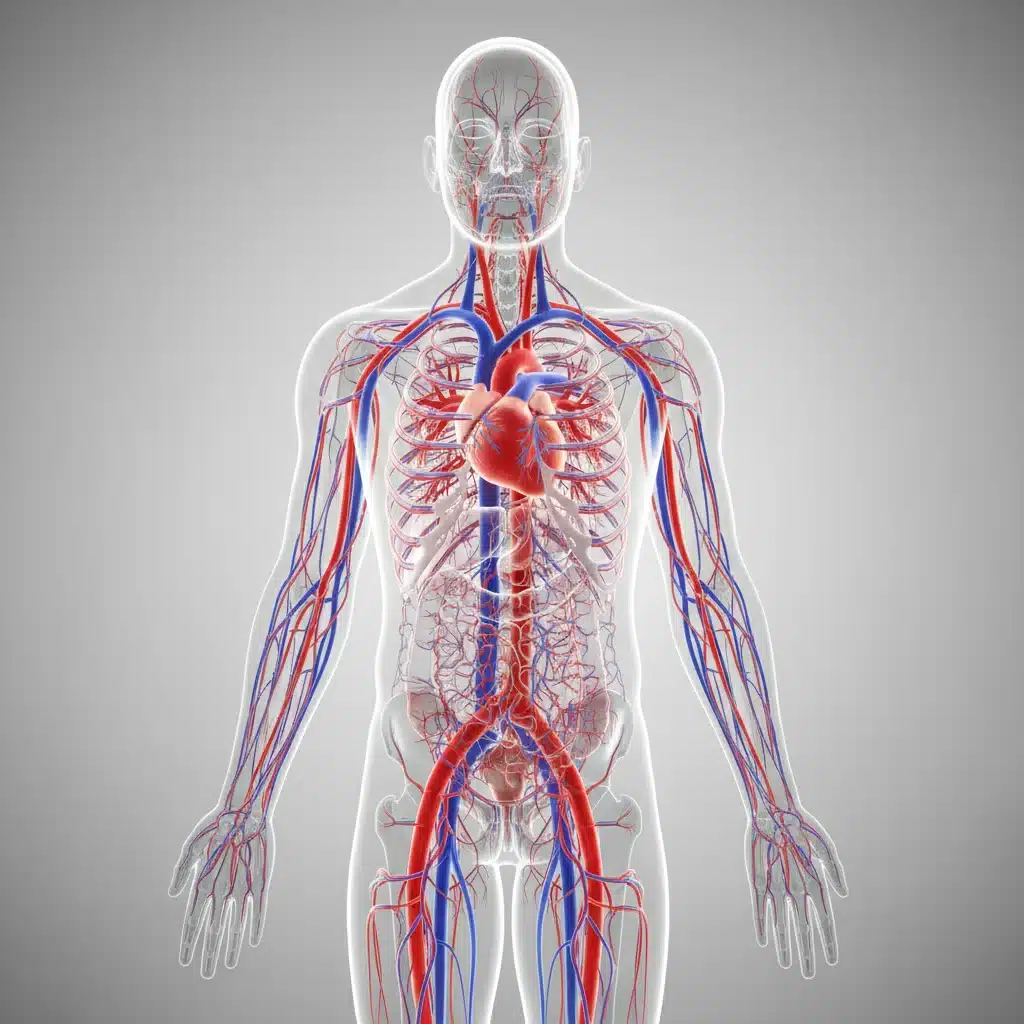
  • Diagram of the human circulatory system
  • Charts showing the heart and blood vessels
  • Transparent tubes and red-coloured water (to show blood flow)
  • Stethoscope or pulse check activity

Building Background / Connection to Prior Knowledge

Pupils have learned about living things, body systems, and respiration. This lesson connects how the heart and blood work together to support life.


Embedded Core Skills

  • Observation and inquiry skills
  • Communication and participation
  • Health awareness and self-management
  • Problem-solving
  • Critical thinking

Instructional Materials

  • Lagos State Unified Scheme of Work (Basic Science)
  • NERDC Basic Science Textbook
  • Charts and labelled diagrams of the heart
  • Video or poster on human circulation

Reference Books

  1. Basic Science for Primary Schools (NERDC)
  2. Lagos State Unified Scheme of Work
  3. Lessonshabitat.com Teacher’s Resource Bank

Content Development

Definition of Circulatory System

The circulatory system is the body’s transport system.
It is made up of the heart, blood, and blood vessels, which move blood throughout the body.


Main Parts of the Circulatory System

  1. Heart:
    • A strong, muscular organ located in the chest.
    • It pumps blood to all parts of the body.
    • It has four chambers:
      • Right Auricle
      • Left Auricle
      • Right Ventricle
      • Left Ventricle
    • The heart beats about 72 times per minute.
    • Example: When you run, your heart beats faster to pump more oxygen.
  2. Blood:
    • The red liquid that flows in our body.
    • It carries oxygen, nutrients, and waste.
    • Parts of blood:
      • Red blood cells – carry oxygen.
      • White blood cells – fight diseases.
      • Platelets – help stop bleeding.
      • Plasma – yellowish fluid that carries everything.
    • Example: When you cut yourself, blood comes out because vessels are opened.
  3. Blood Vessels:
    • Arteries – carry blood away from the heart.
    • Veins – carry blood toward the heart.
    • Capillaries – small thin vessels connecting arteries and veins.
    • Example: The pulse you feel in your wrist is from blood flowing through arteries.

Functions of the Circulatory System

  1. Transports oxygen from lungs to body cells.
  2. Removes waste products like carbon dioxide.
  3. Distributes nutrients from food.
  4. Helps regulate body temperature.
  5. Protects the body from infection (through white blood cells).
  6. Carries hormones to different parts of the body.
  7. Helps heal wounds through platelets.
  8. Maintains water balance in the body.
  9. Keeps body organs alive and working.
  10. Supports growth by nourishing cells.

Importance of Keeping the Circulatory System Healthy

  1. Eat balanced diets rich in fruits and vegetables.
  2. Exercise regularly (walk, run, skip).
  3. Avoid smoking or harmful substances.
  4. Rest and sleep well.
  5. Drink clean water often.
  6. Avoid too much fatty food.
  7. Visit the doctor for check-ups.
  8. Keep your environment clean.
  9. Maintain good hygiene.
  10. Avoid stress and anger.

Teacher’s Activities

  1. Introduces the topic using the story and question method.
  2. Shows a chart of the circulatory system.
  3. Explains each part clearly and demonstrates the pulse.
  4. Guides pupils to draw and label the system.
  5. Leads discussion on how to stay healthy.

Learners’ Activities

  1. Listen to explanations and answer questions.
  2. Observe charts and identify the heart and blood vessels.
  3. Feel their pulse and count heartbeats.
  4. Draw and label the circulatory system.
  5. Discuss healthy habits.

Class Activity Discussion (FAQs)

Question Answer
1. What is the circulatory system? It is the system that moves blood around the body.
2. What are the main parts of the circulatory system? The heart, blood, and blood vessels.
3. What does the heart do? It pumps blood to all parts of the body.
4. How many chambers are in the heart? Four chambers.
5. What does blood carry? Oxygen, nutrients, and waste.
6. What are blood vessels? Tubes that carry blood through the body.
7. Name two types of blood vessels. Arteries and veins.
8. How can we keep our circulatory system healthy? By eating well and exercising.
9. What happens when the heart stops beating? Blood stops moving, and life ends.
10. Why is blood important? It gives life and keeps us healthy.

Evaluation Questions

A. Fill-in-the-Blank Questions (Choose a, b, c, or d)

  1. The circulatory system is made up of the ______.
    a) heart, lungs, and bones b) heart, blood, and blood vessels c) bones, brain, and muscles d) eyes, ears, and mouth
  2. The heart beats about ______ times in a minute.
    a) 50 b) 60 c) 72 d) 90
  3. ______ carry blood away from the heart.
    a) Veins b) Arteries c) Capillaries d) Nerves
  4. The red liquid that flows in the body is called ______.
    a) water b) blood c) juice d) plasma
  5. The small blood vessels that connect arteries and veins are called ______.
    a) valves b) tubes c) capillaries d) pumps
  6. ______ carry blood to the heart.
    a) Arteries b) Veins c) Bones d) Muscles
  7. The heart has ______ chambers.
    a) two b) three c) four d) five
  8. The heart pumps blood to all parts of the ______.
    a) car b) house c) body d) bag
  9. White blood cells help the body to ______.
    a) fight disease b) sleep c) play d) rest
  10. Eating healthy foods helps to keep the ______ strong.
    a) bones b) hair c) circulatory system d) clothes

B. Short Answer Questions

  1. What is the circulatory system?
  2. Mention two main parts of the circulatory system.
  3. What is the work of the heart?
  4. How many chambers are in the heart?
  5. What does blood do?
  6. What are blood vessels?
  7. List two types of blood vessels.
  8. Give one way to keep the heart healthy.
  9. What happens when blood does not circulate properly?
  10. Why is the circulatory system important?

Assessment

Teacher checks pupils’ drawings, marks classwork, and provides corrections and feedback.


Conclusion

The teacher summarizes the lesson by reminding pupils that:

“The circulatory system keeps us alive by moving blood all around the body. When the heart stops, life stops—so protect your heart by living healthy every day.”


  Lesson Note on the Circulatory System — heart, blood, and blood vessels explained with fun class activities.


 

Share

Related posts:

  1. Primary 6 Basic Science First Term Examination Questions
  2. The Human Circulatory System for Primary 6 | Blood and Blood Vessels Lesson
  3. Common Diseases of Farm Animals & Their Prevention
  4. Musical Instruments in Nigerian Celebrations: Types, and Uses
  5. Precautions and Maintenance of Electrical Home Appliances – Primary 1
Primary School Lesson Plans Tags:Basic science primary 6 First Term Lesson Notes

Post navigation

Previous Post: Social Studies Primary 4 Lesson Note on Accidents
Next Post: The Human Circulatory System for Primary 6 | Blood and Blood Vessels Lesson

Related Posts

  • Easy Guide to Rearing Chickens, Rabbits & Snails for Beginners
    Easy Guide to Rearing Chickens, Rabbits & Snails for Beginners Primary School Lesson Plans
  • The Goldsmith Vocational Aptitude Primary 1 Second Term Lesson Notes Week 8
    The Goldsmith Vocational Aptitude Primary 1 Second Term Lesson Notes Week 8 Primary School Lesson Plans
  • Retail vs. Wholesale: A Powerful Introduction to Trade for Primary 1
    Retail vs. Wholesale: A Powerful Introduction to Trade for Primary 1 Primary School Lesson Plans
  • Places of Religious Worship in Nigeria – A Cultural Guide for Primary 1
    Places of Religious Worship in Nigeria – A Cultural Guide for Primary 1 Primary School Lesson Plans
  • Effects of Weeds on Farmers to Farmers Agricultural Science Primary 5
    Effects of Weeds on Farmers to Farmers Agricultural Science Primary 5 Primary School Lesson Plans
  • Plumbing and Fittings Vocational Aptitude Primary 1 Second Term Week 5
    Plumbing and Fittings Vocational Aptitude Primary 1 Second Term Week 5 Primary School Lesson Plans

Leave a Reply Cancel reply

Your email address will not be published. Required fields are marked *

Top Posts

  • Harvesting Activities for Primary 5 Pupils | Tools, Steps & Examples
  • Understanding Vocational Education and Its Examples For Primary 2
  • First Term Exam Vocational Aptitude Primary 1
  • Agriculture for Kids: The Meaning, Types, and Why It Matters More Than Ever”
  • Post-Planting Activities for Primary 5: Irrigation, Mulching, Thinning, Supplying & More

Recent Posts

  • Counting Numbers 51–100 | Primary 1 Maths Lesson
  • Skip Counting and Filling Gaps with Subtraction – Primary 1 Lesson
  • Introduction to Addition of Numbers | Primary 1 Second Term Maths Lesson Note
  • Filling the Gap from 1 to 70 | Primary 1 Second Term Maths Lesson Note
  • Primary 1 English Studies Second Term Examination Questions | Lessonshabitat
  • About Us
  • Privacy Policy
  • Contact Us
  • Disclaimer
  • Terms and Conditions
  • FAQs
  • Primary 1 English Studies Week 11 Revision | Second Term Review
    Primary 1 English Studies Week 11 Revision | Second Term Review Primary 1 Scheme of Work
  • Retail vs. Wholesale: A Powerful Introduction to Trade for Primary 1
    Retail vs. Wholesale: A Powerful Introduction to Trade for Primary 1 Primary School Lesson Plans
  • Filling the Gap from 1 to 70 | Primary 1 Second Term Maths Lesson Note
    Filling the Gap from 1 to 70 | Primary 1 Second Term Maths Lesson Note Primary 1 Scheme of Work
  • First Term Exam Vocational Aptitude Primary 1
    First Term Exam Vocational Aptitude Primary 1 Primary School Lesson Plans
  • Importance of Farming Vocational Aptitude Primary 1 Third Term
    Importance of Farming Vocational Aptitude Primary 1 Third Term Primary School Lesson Plans
  • Systems of Rearing Farm Animals: Intensive, Extensive & Semi-Intensive
    Systems of Rearing Farm Animals: Intensive, Extensive & Semi-Intensive Primary School Lesson Plans
  • Types of Tools Used by Professionals: Exploring Hand and Power Tools
    Types of Tools Used by Professionals: Exploring Hand and Power Tools Primary School Lesson Plans
  • Home Furniture for Kids: Names and Simple Uses Explained
    Home Furniture for Kids: Names and Simple Uses Explained Primary School Lesson Plans

Copyright © 2025 Lessons Habitat.

Powered by PressBook News WordPress theme

This website uses cookies to improve your experience. We'll assume you're ok with this, but you can opt-out if you wish. Read More

Decline Cookie Settings
Accept
Powered by WPLP Compliance Platform
Cookies are small text files that can be used by websites to make a user's experience more efficient. The law states that we can store cookies on your device if they are strictly necessary for the operation of this site. For all other types of cookies we need your permission. This site uses different types of cookies. Some cookies are placed by third party services that appear on our pages.
  • Necessary
    Always Active
    Necessary cookies help make a website usable by enabling basic functions like page navigation and access to secure areas of the website. The website cannot function properly without these cookies.

  • Marketing
    Marketing cookies are used to track visitors across websites. The intention is to display ads that are relevant and engaging for the individual user and thereby more valuable for publishers and third party advertisers.

  • Analytics
    Analytics cookies help website owners to understand how visitors interact with websites by collecting and reporting information anonymously.

  • Preferences
    Preference cookies enable a website to remember information that changes the way the website behaves or looks, like your preferred language or the region that you are in.

  • Unclassified
    Unclassified cookies are cookies that we are in the process of classifying, together with the providers of individual cookies.

Powered by WPLP Compliance Platform
Cookie Settings